The Yohimbe Safety Profile, Explained
Yohimbe Extract is common in male vitality supplements and carries a documented FDA adverse-event record and drug interaction profile more significant than most botanicals in this category.
This is the single most important thing to check before trying any product in this category.
What Yohimbe is
Yohimbe is a botanical extract derived from the bark of the Pausinystalia Yohimbe tree, native to West Africa. Its primary active alkaloid, yohimbine, acts as an alpha-2 adrenergic receptor antagonist — meaning it affects systems involved in blood pressure, heart rate and fat metabolism. Background reading is available from the NCCIH.
The documented adverse-event record
The FDA has received reports of serious adverse events associated with Yohimbe-containing supplements, including elevated heart rate, elevated blood pressure, anxiety, dizziness, nausea, and in serious cases, cardiac arrhythmia, heart attacks and seizures. Published analyses of FDA adverse event reports have found Yohimbe-containing supplements account for a disproportionately high share of serious adverse event reports compared to other botanical supplements in the sports performance and men's wellness categories.
Documented drug interactions
MAOIs: can interact with yohimbine to cause potentially life-threatening hypertensive crises.
SSRIs and SNRIs: Yohimbe may potentiate the effects of serotonergic antidepressants and alter their efficacy.
Blood pressure medications: use alongside antihypertensive medications may produce unpredictable blood pressure effects.
Stimulants: combining Yohimbe with caffeine or pre-workout products may amplify cardiovascular effects.
Tricyclic antidepressants: case reports document potential interactions.
Who should not use Yohimbe without physician supervision
Per the FDA and the U.S. Department of Defense's Operation Supplement Safety database, individuals with cardiovascular conditions, anxiety disorders, panic disorder, PTSD, kidney disease, or liver conditions are specifically flagged as groups who should avoid Yohimbe-containing supplements without medical guidance. Anyone taking prescription medication, and anyone under 18, should also consult a doctor first.
The dosing transparency problem
A 2015 analysis published in the Journal of AOAC International examined commercially available Yohimbe and yohimbine supplements sold in the United States and found most did not accurately disclose their yohimbine content — some products claimed amounts that didn't match laboratory testing, while others contained no detectable yohimbine at all. For a product using proprietary blend labeling, this means you have no reliable way to assess your actual Yohimbe dose from the label alone.
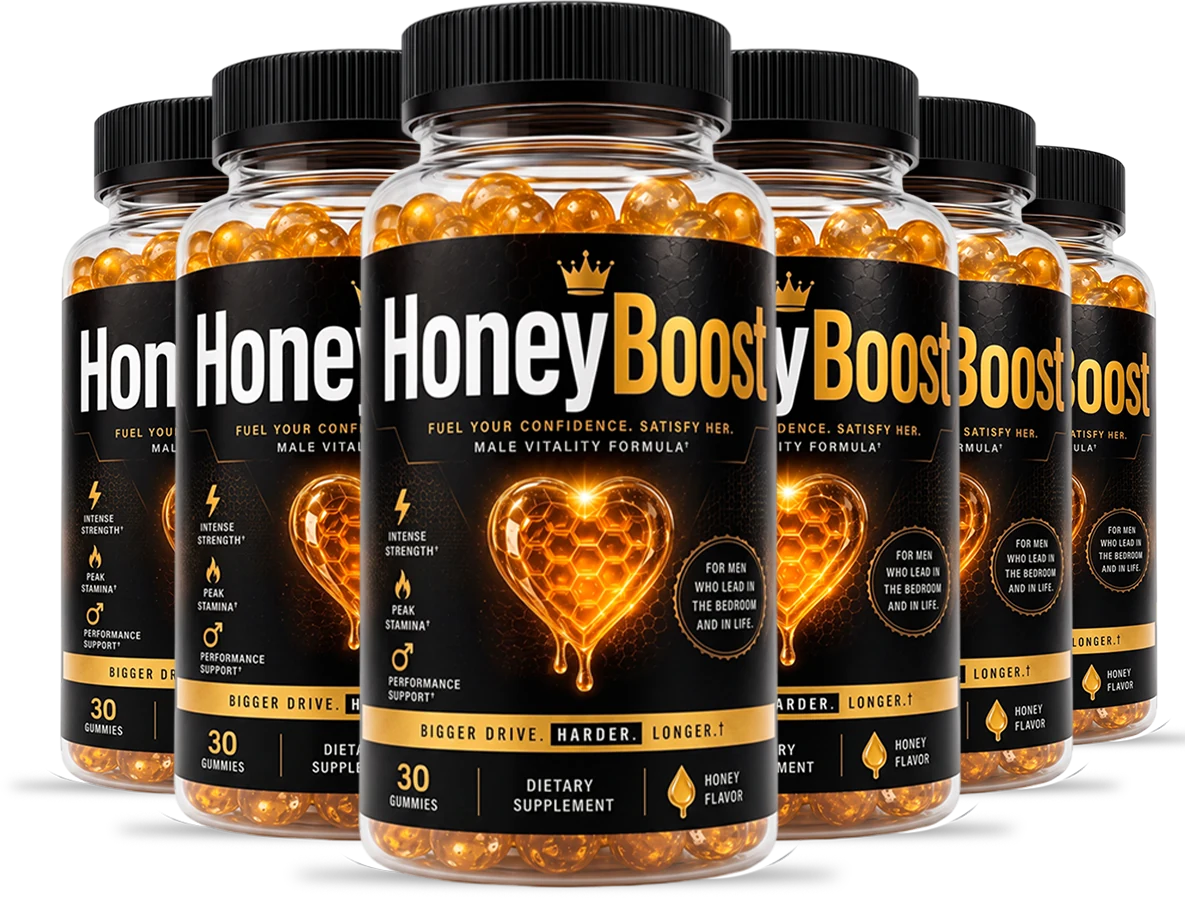
Applying this to HoneyBoost
We could not confirm whether Yohimbe appears on this specific HoneyBoost gummy's label. It is common in this brand family and category. Check your own bottle's actual Supplement Facts panel directly before use.